The best of the southwest
If there’s one area in Scotland that’s experienced an undeserving lack of attention from both tourists and locals over the years, it’s the Southwest — but that is changing, fast. The tourism economy is booming, with both jobs and long-staying international visitors on the rise.
One contributor to this popularity is the SWC300, a 300-mile circular route that traces a perimeter around the many towns, villages, natural attractions and historic markers that dot the Southwest. Unlike other driving routes, the SWC300 actively encourages visitors to slow down, detour, and venture from the route; to linger and meander and take their holidays at the same gentle pace as the local population.
Rather than laboriously tour the route, we’re going to hop all over the map, sharing our favourite haunts, spots, and views with abandon. All while encouraging you to take a few days, or a week, to experience this delightful journey for yourself.
Explore roads less travelled
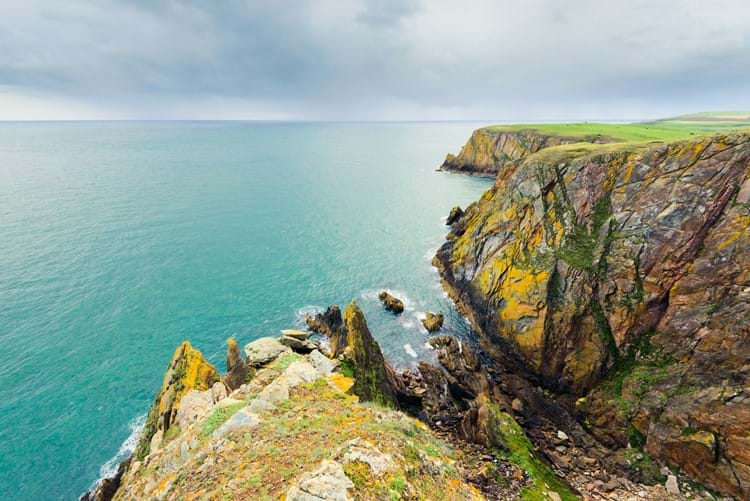
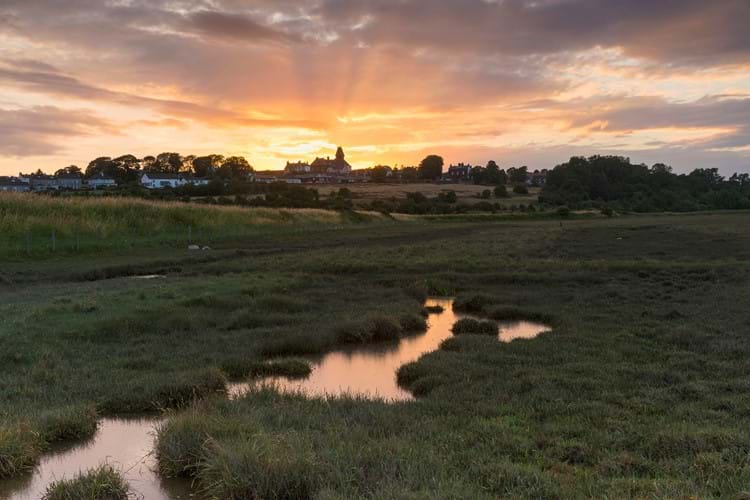
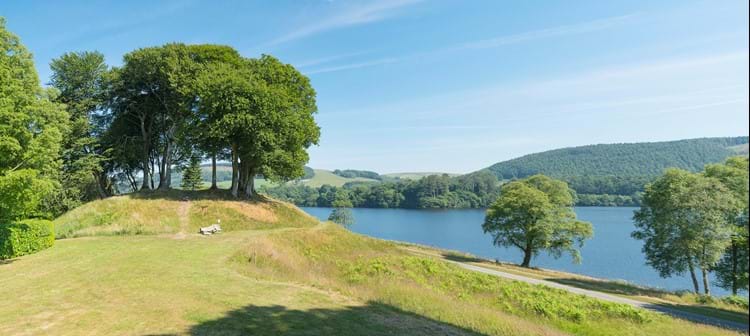
When it comes to scenery, the NC500 is famed for its drama and theatre. The southern scenery is no less abundant, but its beauty lies more in rolling fields, quiet woodland, and serene coastal views.
The Mull of Galloway is a must. Scotland’s most southerly point offers swathes of unspoiled sandy beaches, clifftop walks, and seemingly endless oceanic views — a bucket list destination for those at home in the elements. Mull’s lighthouse, built in 1830 by Robert Stevenson (grandfather to the revered Treasure Island author) invites guests to ascend its 115 steps, blast the foghorn and soak in the panorama.
Further north lies Galloway Forest Park, the UK’s largest forest. As well as containing endless paths and historic charms like Bruce’s Stone (naturally commemorating victories over the English) the forest is also the country’s first Dark Sky Park: its light pollution is so extremely low that, on clear nights, the entire universe lights up overhead.
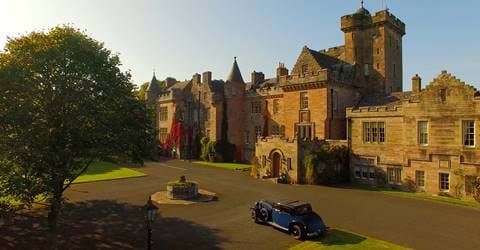
Abandoning the land entirely is one of Scotland’s most iconic islands: Ailsa Craig. This majestic granite mass is home to a plethora of sea birds, including puffins and razorbills - a true destination for wildlife watchers. It's also gained attention as the source of the Scottish curling stones during the Winter Olympics. To experience this unique island, combine a stay at Glenapp Castle with a private boat excursion.
Immerse in the local culture
One of the many delights that comes with venturing into Scotland’s lesser-visited south is true small-town culture and communities. Places such as Wigtown, Scotland’s National Book Town, for example. With more than 17 bookshops — including Scotland’s oldest second-hand shop with over a mile of winding shelves — and the annual book festival, the town is a magnet for bibliophiles.
It's well worth taking the 45-minute drive west to Logan Botanic Garden. Nestled on the southwestern tip of Scotland, this lush paradise enjoys the warming influence of the Gulf Stream, so exotic plants like palm trees and eucalyptus tend to thrive here. Along the way, stop off at Kitchen Coos & Ewes to say hello to their gorgeous Highland Coos and take a tour to learn all about these magnificent creatures. Selfies mandatory!
Live the region’s history
While the entirety of Scotland teems with historical importance and fascinating stories, there are a few extra special destinations dotted along the SWC300.
The Bard himself, Robert Burns, was born in the tiny rural village of Alloway. Seeing the humble cottage in which Burns was born, as well as the fascinating Robert Burns Birthplace Museum, provides extraordinary insight into the life and inspiration of Scotland’s national poet.
If you make the ascent to Wanlockhead, the country’s highest village, then a pit stop at the Lead Mining Museum is a must. The history is riveting and at times unsettling, with visitors venturing hundreds of metres into the mines. The Miner's Library and a series of recreated miner’s cottages show, in tactile detail, the living conditions of generations of Scottish miners.
Sate your appetite and slake your thirst
You might not think to build an itinerary around food and drink around here, but we’d encourage you to give it a little more thought.
Located on the outskirts of Newton Stewart, Galloway Distillery is well worth pausing for a dram. Owned by actor and Outlander star Sam Heughan and business partner Alex Norouzi, it's home to the Sassenach spirits brand - and if whiskies aren't your thing, they also make gin.
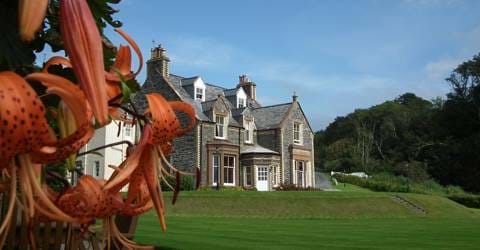
For dinner, you're spoiled for choice. The 3 AA Rosette restaurant at Knockinaam Lodge offers ever-changing tasting menus served in an intimate dining room looking out over manicured lawns to the Irish Sea. It’s an indulgent treat to cap a day’s adventure.
At Glenapp Castle, you can choose from 3 AA Rosette Castle Dining or The Azalea. This enchanting Victorian glasshouse in the walled gardens serves intimate candlelit dinners showcasing the freshest ingredients - many grown just a few steps away.
And if you find yourself touring the Borders in September, the Stranraer Oyster Festival celebrates the last remaining wild and native oyster bed in Scotland. With live music, abundant fresh oysters and a front-row seat to the Scottish Oyster Shucking Championships, this is a true taste of Scotland.
How to travel and where to stay
The beauty of the serene country roads that make up the SWC300 is that every mode of transport feels right. You can zoom along on two wheels or pack the family SUV to the rafters. There’s ample charging for electric vehicles en route.
But if you want to dial up the luxury, consider engaging the services of Little’s Chauffeur Drive and having one of their experienced drivers do all the heavy steering while you relax in the backseat of your luxury vehicle.
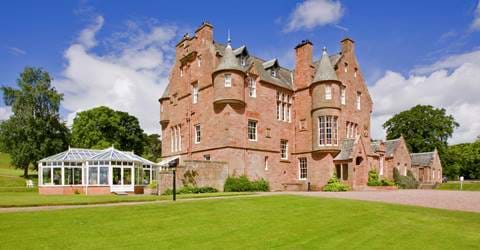
As for where to lay your head, you’ll find two outstanding Luxury Scotland member properties on the west coast, easily accessible from any day trip locations on the SWC300.
Knockinaam Lodge is a five-star country house hotel overlooking the Irish Sea, while the One-Michelin-Key Glenapp Castle is a place to be inspired, reflect, recharge and reconnect, slightly higher up the coast. Both properties have exciting developments in the works and are perfectly located near Cairnryan ferry terminal for anyone looking to extend their adventure across the water to Northern Ireland.